

“Sale ends Sunday” is a sentence. A timer counting down to Sunday is a reason to buy now. Countdown bars, urgency popups and cart timers for flash sales, BFCM, launches and delivery cut-offs — free, on any theme.
Merchants running Oxify apps


Nothing on a product page forces a decision. The shopper can leave, think about it and come back — except they mostly don’t. A visible deadline converts “I’ll think about it” into a decision, which is why every sale in retail has ever had an end date printed on it.
A timer that is obviously fake trains shoppers to ignore everything you say. These four keep it credible.
Tie the timer to an actual sale end or courier cut-off. A permanently resetting five-minute timer is noise.
Product page and cart. A timer on the home page is decoration.
By country, device or customer tag — a cut-off timer is wrong in every other timezone.
“Sale ends” or “dispatch moves to Monday”. A number with no consequence is just a number.
Fixed-date for a sale with a real end. Evergreen for an always-on offer that restarts per visitor. Daily for recurring courier cut-offs. Session-based for cart urgency. Each one solves a different problem and they are all free.
Pick deliberately: a fixed-date timer builds trust, an evergreen one builds conversions. Most stores need both, in different places.
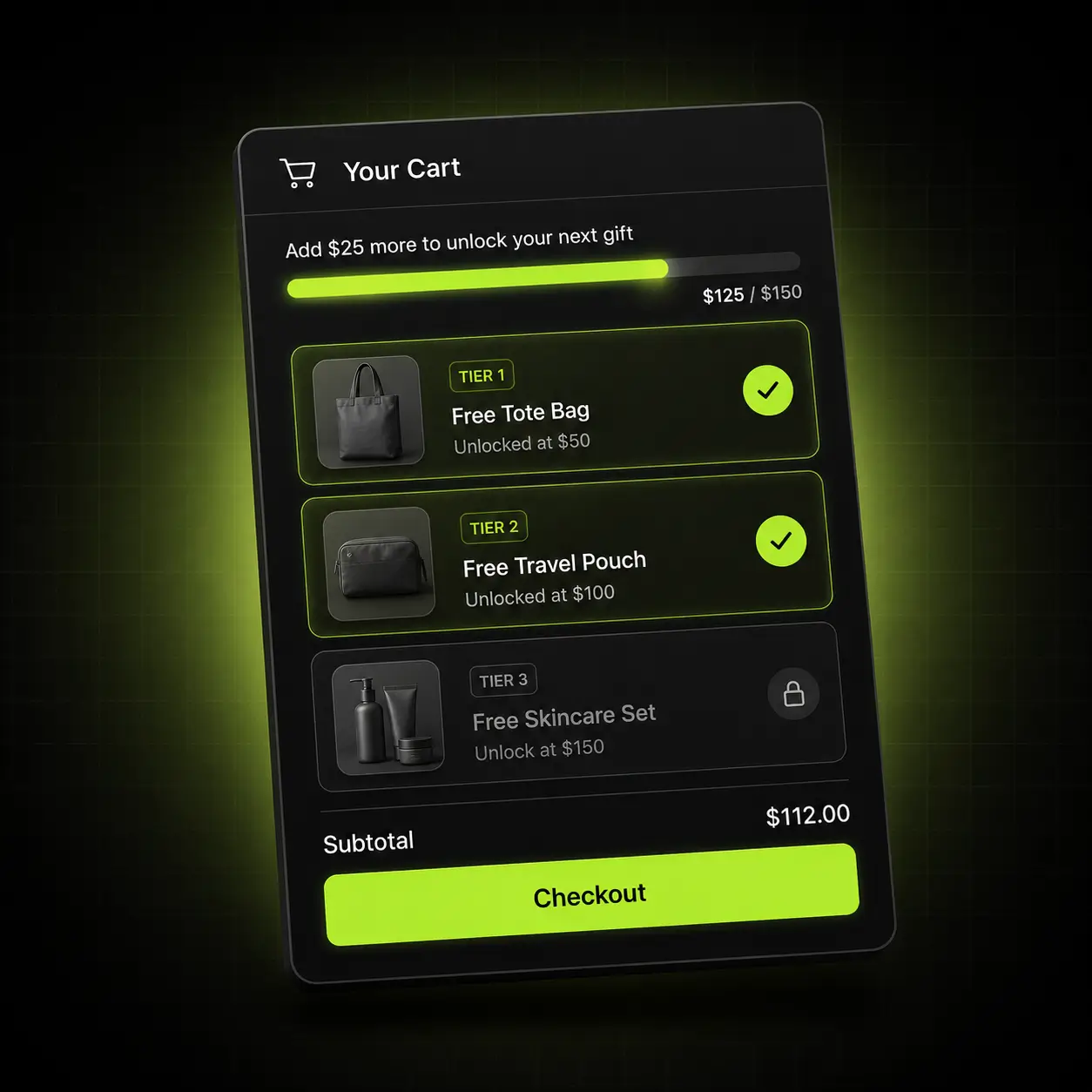
A FOMO popup on the product or cart page, carrying the same deadline as the bar. Used sparingly it recovers hesitation; used constantly it trains people to close popups without reading, so frequency control matters more than the popup itself.
Restraint is the feature: the frequency controls exist because most stores overdo this.
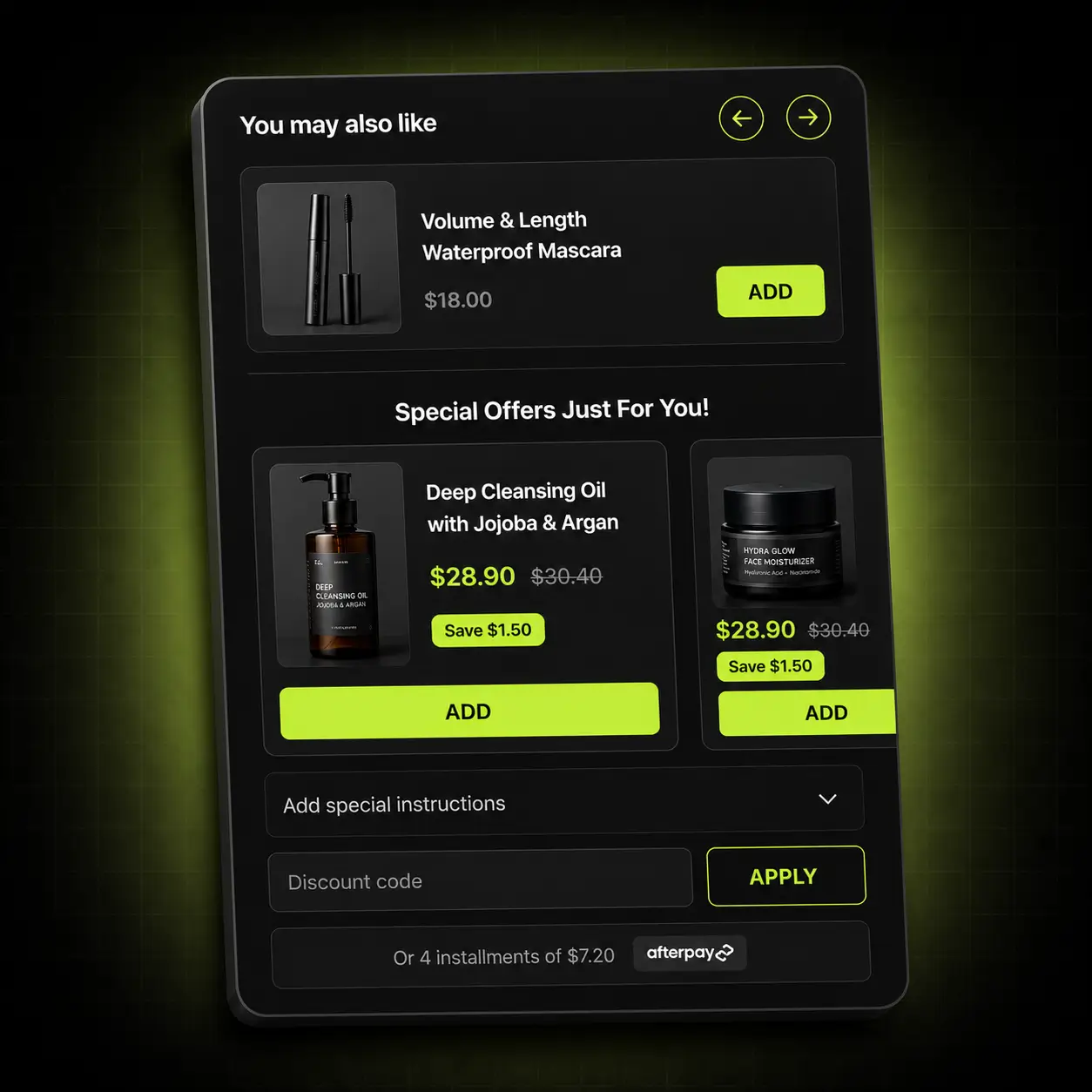
A dispatch cut-off is wrong in every timezone but yours. Target timers by country, language, customer tag, collection, vendor or device, and schedule campaigns to start and retire on their own.
Credibility: a cut-off timer that is wrong for a visitor’s timezone is worse than no timer at all.
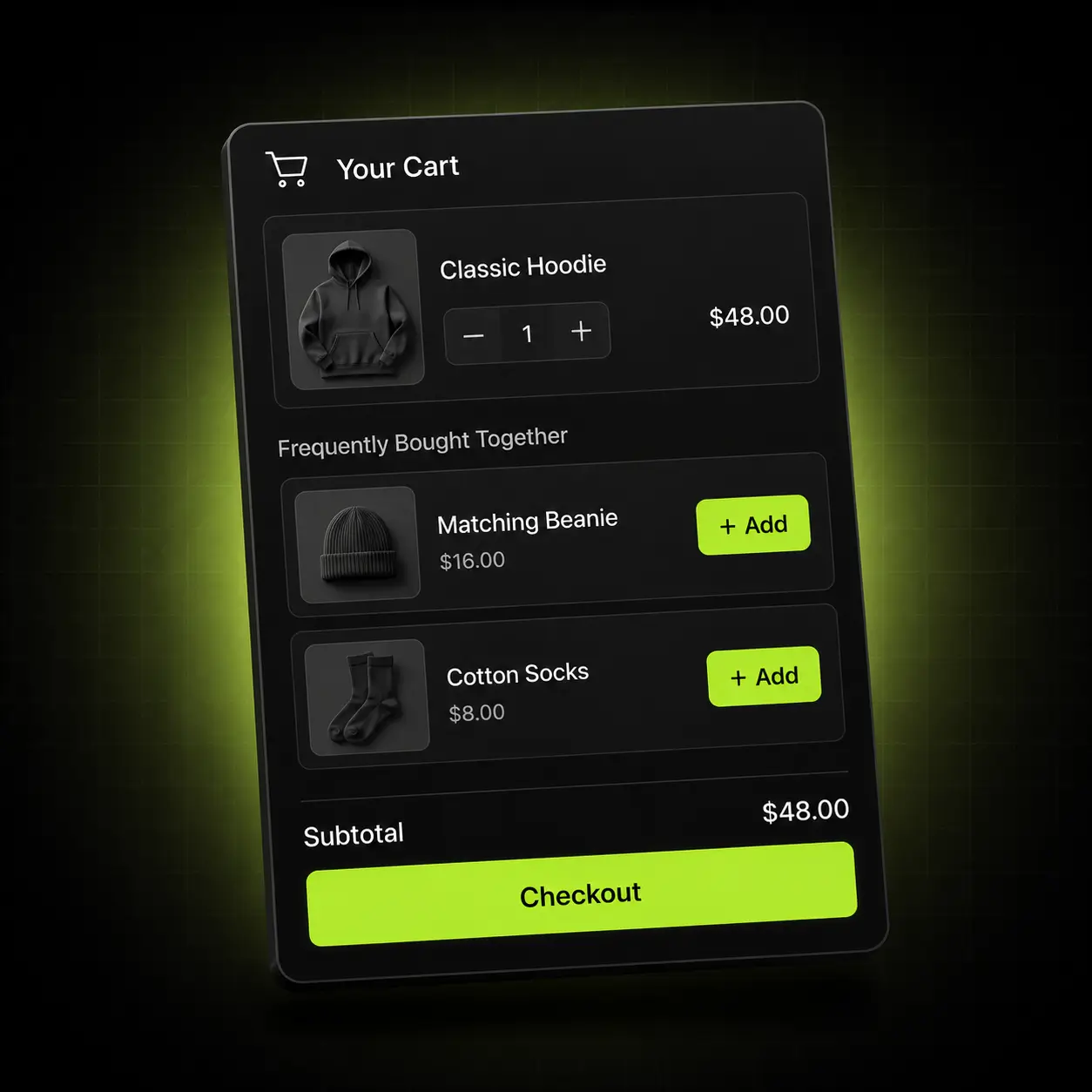
Templates you can take apart — colour, font, animation, layout, custom CSS. It is lightweight, mobile-first and Built for Shopify, which is Shopify’s own performance standard rather than a claim we made up.
Built for Shopify: a performance standard the app had to meet, not a badge we printed.
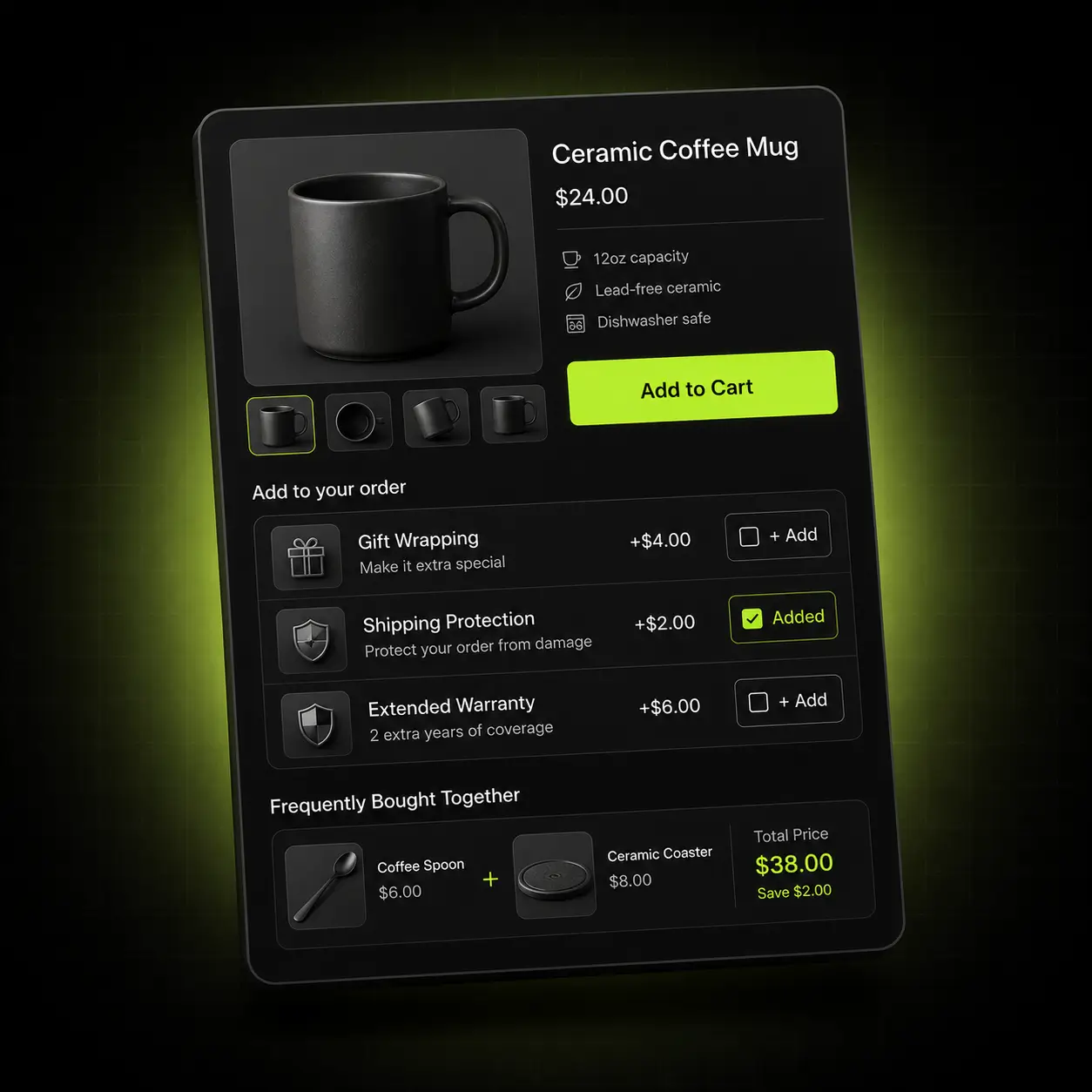
A timer only earns where a decision is being made. These are the four places that qualify.
The sale deadline above every page.
The cut-off and the sale end, next to the buy button.
Session urgency where hesitation costs most.
A last nudge, frequency-capped so it stays credible.

The right timer depends on whether your deadline is real, recurring or manufactured. Here is where we’d point you first.
Real, dated deadlines with genuine stakes.
Start with: A fixed-date timer in a site-wide bar plus the product page, scheduled to retire itself.
A daily deadline that genuinely matters.
Start with: A daily-recurring timer on the product page: “order in 2h 14m for dispatch today”.
Anticipation before, urgency after.
Start with: A count-up-to-launch timer, switching to a fixed-date sale timer the moment it goes live.
Countdown apps are usually free for one timer and paid the moment you want scheduling, targeting, or more than a single campaign.
| Capability | Typical countdown timer app | Oxify |
|---|---|---|
| Fixed-date timers | Usually included | Included, free |
| Evergreen (per-visitor) timers | Almost always paid | Included, free |
| Daily recurring timers | Often paid | Included, free |
| Cart-page timers | Often paid | Included, free |
| Urgency popups | Separate app or paid tier | Included, free |
| Geo & audience targeting | Almost always paid | Included, free |
| Scheduled campaigns | Usually paid | Included, free |
| Multiple concurrent timers | Free tier caps at one | Unlimited, free |
| Custom CSS | Often paid | Included, free |
| App branding on the timer | Removed on paid plans | Never shown |
| Price | Free tier, then $6–$25/mo | Free |
Comparison reflects the common free-versus-paid split across popular countdown timer apps on the Shopify App Store. Competitor features and pricing change — re-check before quoting this.
No developer, no theme edits, no republish.
Add the app from the Shopify App Store. It connects through an app embed block — no theme files touched.
Fixed-date, evergreen, daily or session-based, depending on what the deadline actually is.
Choose the pages, set the countries and devices, and write the message for when it hits zero.
Set the campaign window and go live. It retires itself when the window closes.
Evergreen timers, targeting and scheduling are the three things almost every competitor charges for. All three are included here at no cost.
No trial to expire, no credit card, no usage cap and no “upgrade to unlock” on any feature listed here.
Install freeWhen you want to raise average order value rather than just fix one surface, our paid app covers the product page, the cart, the sticky cart and post-purchase from one install — from $9.99/month with a 30-day ROI guarantee.
See Cart Drawer & UpsellsA newer app with a small number of reviews so far — we’d rather show you the real count than round it into something vaguer.
2 reviews on the Shopify App Store
✓ Built for Shopify
Built for Shopify sets a performance bar the app has to meet, not just claim.
Installs as an app embed block, so uninstalling leaves nothing behind.
1,000+ stores run one or more Oxify apps, sharing the same support team.
A timer tells the shopper when. These free apps tell them why.
Also free. Carries the offer above every page while the timer carries the deadline.
Also free. Quantity breaks that make the deadline worth acting on.
Our paid app — free gift tiers and in-cart cross-sells for when urgency has done its job.
Free, every feature, about two minutes to set up. No trial to expire and nothing to cancel.
It displays a live countdown to a deadline — a sale end, a product launch, a courier cut-off — on a bar, a product page, the cart, or in a popup. The point is to convert “I’ll think about it” into a decision.
A fixed-date timer counts to a real moment and ends for everyone at once — use it for genuine sales. An evergreen timer starts when each visitor arrives and restarts per visitor — use it for always-on offers. Fixed-date builds trust; evergreen converts harder. Most stores want both, in different places.
They can be, and it is worth being deliberate. A timer that restarts every time the same person reloads is transparently fake and costs you credibility. Set a per-visit reset rule that is long enough to be meaningful, and never use an evergreen timer to imply a store-wide sale deadline that doesn’t exist.
Product page and cart, where decisions are actually made. A site-wide bar works well for a genuine sale deadline. A timer on the home page alone is decoration.
Yes, and it is one of the most useful applications — a daily recurring timer showing “order in 2h 14m for dispatch today”. Target it by country so it is correct in each timezone.
Yes. Set a date range and the campaign starts and retires on its own, which removes the usual failure of a sale banner still being live the following week.
Unlimited, and you can target each one to different pages, countries or audiences.
Whatever you configure — hide it, swap in a different message, or roll into the next scheduled campaign.
No, never — there is no paid tier to upgrade to.
No. There is no code to paste and no Liquid to edit — the app installs as an app embed block and everything after that is a visual editor.
Yes. It runs on Online Store 2.0 themes including Dawn, Horizon, Impulse, Prestige, Motion and Warehouse, and on most older themes too.
No. It is a small CDN-delivered script that loads asynchronously and does not block rendering or your buy button.
Everything is removed cleanly. Because it installs as an app embed block rather than editing theme files, there is no orphaned Liquid left behind to clean up.
The app requests only the Shopify scopes it needs to function. We do not sell data, and everything is deleted on uninstall in line with Shopify’s data-retention requirements.
Free. Every feature described on this page is included at no cost, with no usage cap and no paid tier hiding behind it. We also build a paid cart-drawer app, and free apps are how most merchants find us — but you are never required to install it.